
 Sign in with Facebook
 Sign in with Google
 Sign in with Apple


Why Swimming with Your Smartwatch Isn't Such a Good Idea
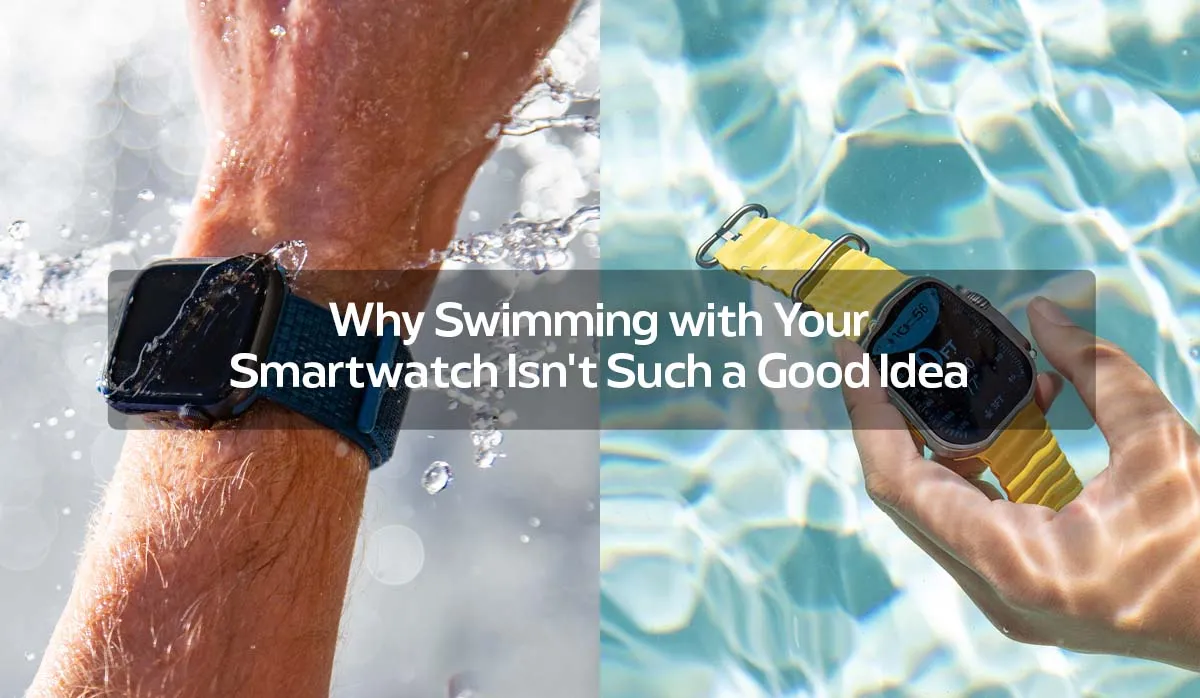
Last week, we received a review at Phonebot that highlighted a problem we've seen play out hundreds of times over the past 13 years. A customer purchased a refurbished Samsung Watch marketed as water-resistant and suitable for swimming, with IP68 ratings and 50m depth specifications. After a year of ownership, the customer used it for swimming. The watch shut down and never turned back on.
Samsung's service assessment confirmed water ingress. The cost to repair exceeded the watch's value. Warranty coverage was denied. The customer’s frustration landed with us, not the manufacturer, and it’s a story that needs to be told from the inside out.
After processing thousands of devices across Australia and Dubai, we've watched this scenario repeat with predictable consistency. Whether you are using a Refurbished Smartwatch or a brand-new one straight from the factory, there is a fundamental disconnect between how manufacturers market water resistance and what their warranties actually cover.
Resistant vs. Waterproof
The first layer of confusion is the distinction between "water-resistant" and "waterproof." In the consumer electronics world, "waterproof" is a myth.
When you see "50m water resistance" on a smartwatch, it doesn't mean the watch can be used at 50 meters depth in real-world conditions. That rating comes from a static pressure test in controlled laboratory conditions. The watch sits in a pressurized chamber simulating 50m of still water. There is no movement, the temperature is strictly controlled, and the duration is limited.
Real-world swimming is entirely different. Arm movement creates dynamic pressure. When you strike the water during a freestyle stroke, the localized pressure on the watch seals can briefly exceed the rated limits, even in a shallow pool. Diving into water creates "pressure spikes" that a static lab test never accounts for.
The International Organization for Standardization (ISO) banned the term "waterproof" for watches in 1990, replacing it with specific water-resistance ratings. Yet, decades later, marketing materials for the latest Refurbished Apple Watch models and Samsung devices still use imagery that implies these devices can handle the ocean as easily as they handle a rain shower.
Related Products
ONLY 1 LEFT
ONLY 1 LEFT
The Chemistry of Seal Failure
What actually keeps the water out? It’s a series of tiny rubber or silicone gaskets and specialized adhesives. These materials are highly effective when new, but they are also biological and chemical "clocks."
1. The Chlorine and Salt Factor
Pools are treated with chlorine, and the ocean is filled with salt. Both are highly corrosive. Over time, chlorine causes the rubber gaskets inside your watch to become brittle. They lose their elasticity, creating microscopic gaps. Saltwater, on the other hand, can leave behind salt crystals once the water evaporates. These crystals act like sandpaper, grinding away at the seals every time you press a button or rotate a crown.
2. The Soap and Oil Problem
Many people shower with their smartwatches. This is arguably more dangerous than swimming. Soaps, shampoos, and conditioners are surfactants. They lower the surface tension of water, allowing it to "slip" through seals that would otherwise repel pure water. Furthermore, the oils in sunscreens and lotions can chemically break down the adhesives used to hold the screen and backplate in place.
3. Thermal Expansion and Contraction
Imagine sitting on a hot beach in 35°C weather. Your watch is baking. Then, you jump into a 20°C ocean. The metal and glass of the watch contract at different rates, momentarily stressing the seals. This "thermal shock" is a leading cause of seal failure that users never notice until the screen starts to fog up.
The "Water Lock" Myth
From a customer's perspective, one of the most dangerous misunderstandings involves the "Water Lock" feature (the droplet icon on Apple and Samsung watches).
It is not a physical seal. When you activate Water Lock, the watch simply disables the touch sensitivity of the screen. This prevents the water from "ghost-tapping" your apps or ending your workout prematurely. It does absolutely nothing to tighten the gaskets or block the speaker ports.
The real magic happens after you swim. When you turn the crown to unlock the watch, it plays a series of loud, vibrating tones. This is the Water Ejection feature. It uses sound waves to physically "punch" water out of the speaker cavity. If you forget to do this, the trapped moisture can sit against the internal membrane, eventually seeping through as the seal ages.
What the Fine Print Actually Says
Manufacturers are very careful with their wording in support documents. Apple's official support documentation states clearly: "Water resistance isn't a permanent condition and can diminish over time."
Samsung provides similar guidance, noting that water resistance can degrade through normal use. But here is the critical part: water damage is typically not covered under a standard warranty. If you take your watch to a manufacturer after a swim and they find water inside, they don't look at the IP68 rating; they look at the moisture sensors. Once those sensors are tripped, the warranty is void. It is a "use at your own risk" feature masquerading as a "guaranteed" feature.
The Pattern in User Reports
The evidence isn't just in our repair labs; it's all over the internet.
- Samsung Cases: Galaxy Watch forums are filled with stories of users whose "Ultra" or "Pro" watches failed during a routine lap swim.
- Apple Cases: Apple Watch discussions show a similar trend where watches failed after 12–18 months of regular pool use.
- Industry Wide: Android Central forums document that this isn't a brand-specific issue; it's a technology-wide limitation.
The Refurbishment Perspective
At Phonebot, we take a different approach. We believe in transparency because we want our customers to have devices that last years, not months.
When a device goes through the Phonebot Refurbishment Process, it is often opened for internal inspection. While we use specialized tools and high-quality gaskets to reseal these devices, we are honest: a resealed device is never "factory new."
But here’s the secret: neither is a "new" watch after six months of wear. The degradation of seals happens to every device. A refurbished watch with fresh gaskets might actually be more water-resistant than a two-year-old "new" watch that has been worn daily in the sun.
Why the Deception Persists
If the tech is so fragile, why do we see ads of people swimming? Because "swim-proof" is a high-value selling point. If manufacturers were honest and said, "This watch is water-resistant, but don't swim with it," sales would plummet. They rely on the "Accountability Gap", providing the IP rating for the sale and the "Warranty Exclusion" in the manual to avoid the repair.
Insurance vs. Warranty
If you are a frequent swimmer, you need to know this: Standard Warranties vs. Accidental Damage Protection. A standard 12-month warranty covers manufacturer defects (like a faulty battery). It does not cover liquid ingress. However, third-party insurance or plans like AppleCare+ do treat water damage as an accidental event. If you plan on taking your watch into the pool, paying for that extra layer of insurance is the only way to ensure you aren't left with a $700 bill when a seal eventually fails.
Conclusion
We aren't saying you should never get your watch wet. We are saying you should be mindful. If you want your Refurbished Smartwatch to last, follow these rules:
- Rinse Immediately: After any swim, rinse the watch in fresh, distilled water to remove chlorine or salt.
- Eject the Water: Always run the "Eject Water" sound feature 2–3 times after a swim.
- Air Dry Only: Never use a hairdryer or set it on a heater. Wipe it with a microfiber cloth and let it sit in a cool, dry place.
- Treat it as an "Emergency" Feature: Think of water resistance like an airbag. You’re glad it’s there, but you wouldn't test it on purpose every day.
Smartwatches are incredible feats of engineering, but they are not submarines. By understanding the limits of the technology, you can enjoy your tech without the heartbreak of a denied warranty claim.
At Phonebot, we provide the best refurbished tech in Australia, but we also give you the cold, hard facts.
Posted by Liam Harris


Liam Harris
Liam Harris is a tech writer at Phonebot, covering refurbished phones, tablets and wearables since 2022. His buying guides and model comparisons draw on live Australian market pricing and Phonebot's experience rehoming over one million devices.



 Google
 Apple
Apple Facebook