

 Sign in with Facebook
 Sign in with Google
 Sign in with Apple


 Enter to win
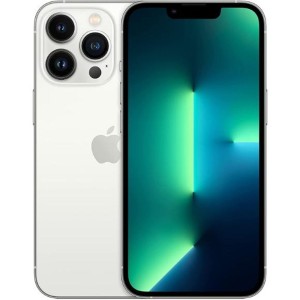
Yes, for most buyers, with one condition attached. In 2026, the iPhone 13 Pro and 13 Pro Max still run the current version of iOS, still shoot ProRAW and ProRes, and still have the 120Hz ProMotion display and the triple 12MP camera system that separated them from the standard iPhone 13. What you give up against a current flagship is the newer connector, faster charging and the latest camera processing. What you get back is a five-year-old price on a phone that does almost everything the newer ones do. The condition is battery health, which is the one thing worth checking before you buy any phone of this age.
Is the iPhone 13 Pro Still Worth Buying in 2026?
The iPhone 13 Pro launched in 2021 and has aged better than most phones of its generation, because Apple put a chip in it that the software has not yet outgrown. The A15 Bionic still runs everything in the App Store without complaint, and the ProMotion display is the single feature most people notice when moving between a Pro and a non-Pro iPhone. Five years on, the argument for it is not that it matches a current flagship. It is that the gap between what it does and what it costs is wider than on almost anything else you can buy. That is the same reason our refurbished iPhones sell on value rather than novelty.
What the iPhone 13 Pro and Pro Max Still Do Well
The display
Both models use a Super Retina XDR OLED display with ProMotion, which varies the refresh rate up to 120Hz. The Pro is 6.1 inches and the Pro Max is 6.7 inches. ProMotion is the feature you feel rather than read about: scrolling, typing and animation all look different against a 60Hz screen, and it is the reason a 13 Pro still feels current in the hand in a way the standard 13 does not.
The cameras
The Pro 12MP system covers Telephoto, Wide and Ultra Wide, with 3x optical zoom in, 2x optical zoom out and digital zoom to 9x. The LiDAR scanner drives Night mode portraits and faster low-light autofocus, and Photographic Styles, Portrait mode and Depth Control are all here. The 2x optical zoom out is the one people forget: it gives you a genuine wide shot rather than a cropped one.
Video
HDR recording with Dolby Vision up to 4K at 60fps, ProRes up to 4K at 30fps on units above 128GB, and Cinematic mode at 1080p 30fps. Macro video, dual optical image stabilisation, sensor-shift stabilisation, audio zoom and Night mode time-lapse are all supported. For anything short of professional colour work, this is still a capable camera.
Performance
The A15 Bionic pairs a 6-core CPU with a 5-core GPU on the Pro models, one more graphics core than the standard 13, alongside a 16-core Neural Engine. In practice that means games run, apps open, and the phone does not stutter under the current version of iOS. Chip age is the usual reason an older iPhone stops being worth buying, and the A15 has not reached that point.
Durability
Both are rated IP68 under IEC standard 60529, with a Ceramic Shield front and a stainless steel frame. The steel is heavier than the aluminium on the standard 13, and it holds its finish better over years rather than months.
iPhone 13 Pro or iPhone 13 Pro Max?
Two things separate them, and only one of them matters to most people.
Screen size. 6.1 inches against 6.7 inches. The Pro Max is a noticeably larger object, better for video and gaming, worse for one-handed use and for pockets.
Battery. The Pro Max holds a larger cell and runs to around 28 hours of video playback against roughly 22 on the Pro. That is the real reason to choose it. If you want a phone you charge every second night rather than every night, the Pro Max is the one, and on a five-year-old phone the extra headroom matters more than it did when they were new. Current pricing for both sits on our iPhone 13 price breakdown.
Camera hardware, chip, display technology and build are identical. There is no photographic reason to pick the Pro Max over the Pro.
What You Give Up in 2026
These are the real trade-offs, and none of them are faults. They are the five years.
- Lightning, not USB-C. If everything else you own has moved to USB-C, this is the daily annoyance rather than the spec-sheet one.
- 20W charging. Slower than current phones. A full charge takes closer to an hour and a half than half an hour.
- Cinematic mode is 1080p only. Later models record it at 4K. If that mode is why you are buying, this is a genuine limit.
- No Dynamic Island and no Action button. The notch is the clearest visual sign of the phone's age.
- Battery age. A 2021 phone has been through charge cycles. This is the one point worth being careful about, which is why every unit we list shows its measured battery health rather than a general claim.
Against those, the front camera stays at 12MP with no autofocus, which is adequate for calls and ordinary selfies and behind current phones for video work.
How It Compares With the iPhone 14
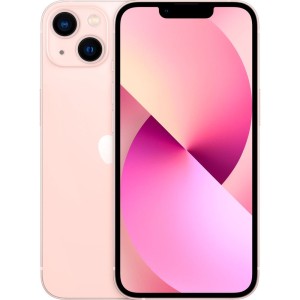
The iPhone 14 kept the A15 Bionic, so the two are closer than a generation gap suggests, and the 13 Pro beats the standard 14 on display refresh rate, and on the telephoto camera the 14 does not have. Our full iPhone 13 vs iPhone 14 comparison goes through every difference properly.
If you would rather move up a generation, our refurbished iPhone 14 range is worth a look.
Whether that step up is worth paying for usually comes down to the gap on the day, and the iPhone 14 price in Australia will tell you quickly.
Buying One Without Getting Caught Out
On a phone this age, condition matters more than the model. Check three things: measured battery health rather than a vague description, whether the phone is carrier unlocked, and whether anything covers you after it arrives. Every refurbished iPhone 13 we list is function-tested, data wiped, graded for cosmetic condition, and sold with its battery health shown, unlocked, with up to 12 months warranty and a 30-day change-of-mind return.
Grades describe appearance only, never function, and our refurbished phone grading guide explains what each level looks like in the hand.
Prices move as stock turns over, so if some units are reduced below their usual figure, the iPhone 13 sale shows which ones.



 Google
 Apple
 Facebook